Surface finishing on plastic parts can look straightforward, but small changes in the process can lead to big issues.
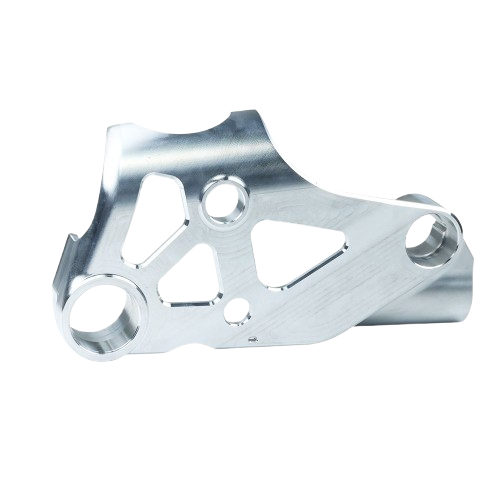
Recently, we worked on a batch of ABS machined parts that required painting for a clean, consistent appearance. The first painting result met expectations. However, when we attempted to remove the coating and repaint the parts, an unexpected problem occurred.
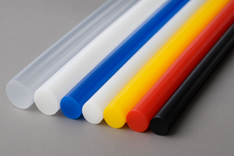
During the stripping process, the ABS material began to react and partially melt, which affected the surface quality and made the entire batch unusable.
As a result, new parts had to be machined to meet the required quantity. This also highlighted another important factor:
Surface preparation is critical for painted parts.
Tooling marks from machining cannot always be fully hidden by paint. To achieve a consistent finish, additional polishing was required before repainting.
Even with careful processing, matching the exact appearance of the original painted surface proved challenging.
Takeaway:
For ABS and similar plastics, repainting is not always a simple rework option. Material sensitivity, surface preparation, and process consistency all play a key role in the final result.
Planning the finishing process carefully from the beginning can help avoid delays, extra cost, and quality inconsistencies.