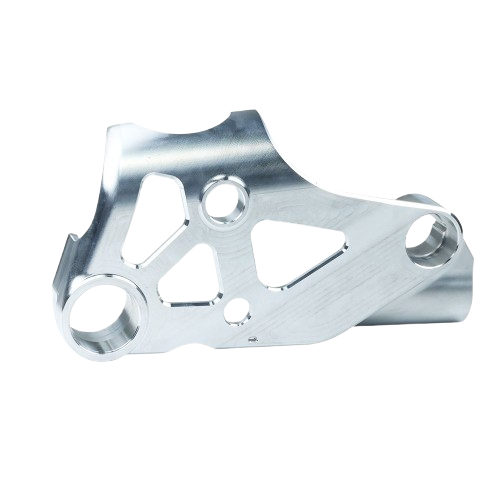
Hard coat anodizing, also known as Type III anodizing, is widely used when higher wear resistance and durability are required. Compared to standard (Type II) anodizing, it produces a thicker and harder oxide layer, but also comes with higher cost and tighter process control requirements.
Color considerations
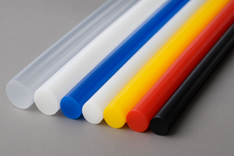
The most common finishes are black and natural. Other colors such as red or blue are possible, but they typically appear in darker shades due to the thickness of the coating.
Dimensional impact
For precision parts, it is important to account for coating thickness during machining.
Typical hard coat anodizing thickness ranges from 50–80 μm (0.05–0.08 mm). A common specification is around 45–50 μm.
As a general rule, approximately half of the coating thickness builds outward, while the other half penetrates into the material. This means the final dimensions will change after anodizing and must be considered in advance.
Process control
Anodizing time and process parameters directly affect coating thickness and consistency. Poor control can lead to variation in both appearance and dimensional accuracy.
Takeaway
For parts requiring tight tolerances after anodizing, it is essential to plan machining allowances carefully and work with a supplier experienced in hard coat anodizing. Proper control of both machining and finishing processes is key to achieving consistent, high-quality results.